

Metamora Equine

Soundness You Can trust: From The Schooling Ring To The Grand Prix Ring

Schedule a performance-focused gait assessment


Lead With Love, Follow With Care

Comprehensive equine wellness services help your horse stay happy, consistent, and competitive


Great Care Starts Where Your Horse Lives

Metamora Equine brings advanced care and equipment to you


Your Next Chapter Starts Here

Ask about owning a thriving equine veterinary business trusted by top owners, trainers, and riders

1
1

Welcome to Metamora Equine!

When your horse’s performance depends on every stride, you need more than a routine veterinary visit; you need Metamora Equine, the specialist who understands what it takes to keep a competitive horse at its best. Led by Dr. Roland Thaler, VMD, DACVSMR, Metamora Equine is an ambulatory equine sports medicine practice built around one idea: exceptional care delivered directly to your barn.

With over 40 years of experience working with some of the most competitive horses in Michigan, Ohio, and North Carolina, Dr. Thaler brings board-certified sports medicine expertise, advanced diagnostics, and a relentless pursuit of answers right to your stall.

Our Mission

At Metamora Equine, the mission is straightforward: provide academic-level sports medicine care where your horse actually lives. Dr. Roland Thaler, VMD, DACVSMR, founded this practice on the belief that great care does not require a clinic. It requires the right expertise, the right tools, and a genuine commitment to understanding every horse as an individual athlete.

Rather than chasing symptoms, Dr. Thaler focuses on finding the root cause of discomfort and building a cohesive, thoughtful plan around each horse’s performance goals, environment, and overall health. Metamora Equine’s approach is always proactive, identifying emerging issues before they become career-limiting problems and partnering with trainers, farriers, and riders to keep your horse sound, comfortable, and competitive for the long haul.

Metamora Equine at-a-glance

Metamora Equine

Specialized Sport Medicine Expertise

Metamora Equine

Advanced Equine Medical Technology

Metamora Equine

Modern Clinical Documentation

Metamora Equine

Rapid Expert Guidance

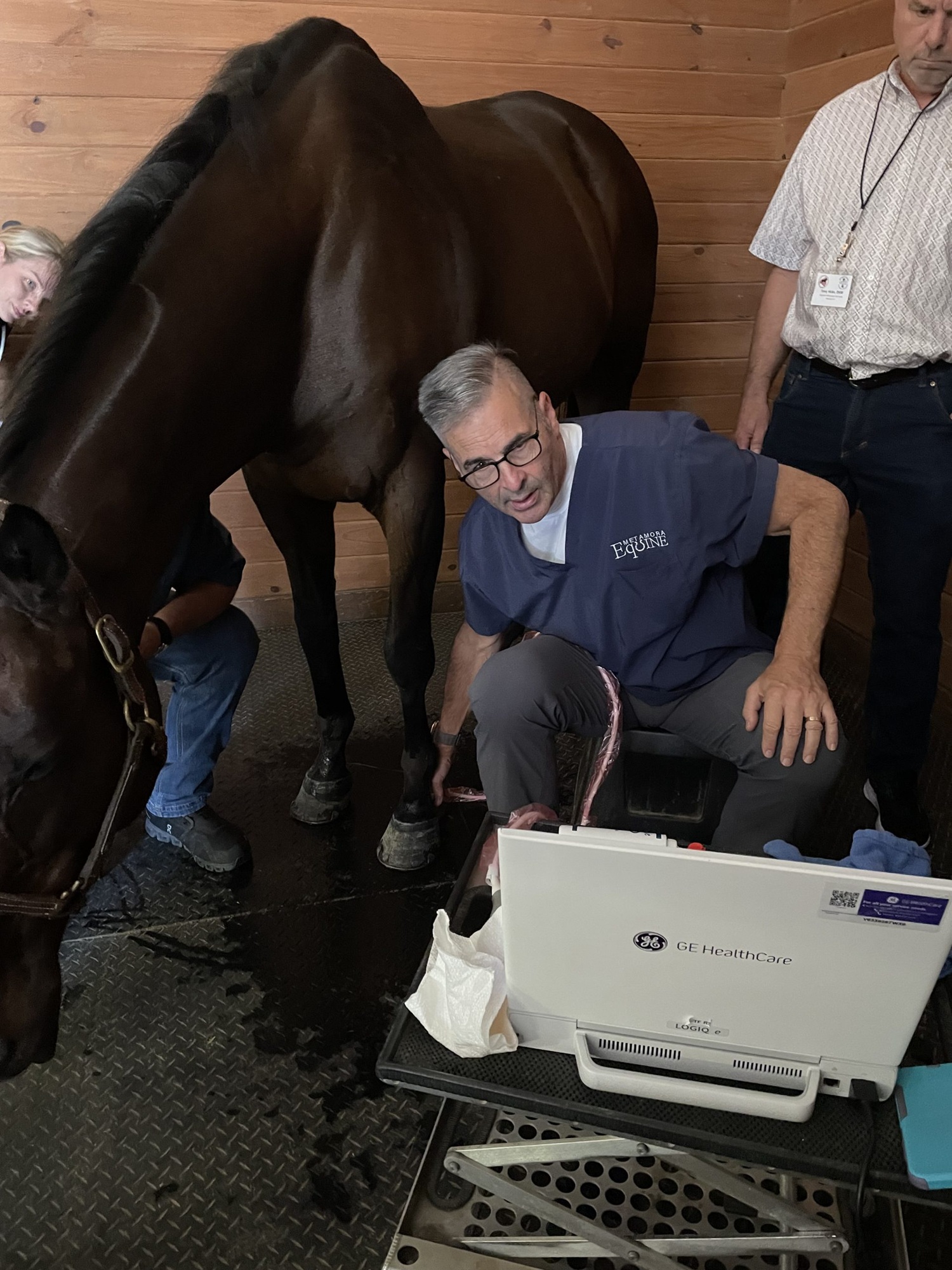
Equine veterinarian examining a horse using diagnostic equipment inside a clinic, showcasing professional care at Metamora Equine – Metamora Equine

Why Choose Us

Board-Certified Sports Medicine Expertise You Can Trust

Dr. Thaler holds the DACVSMR designation, Diplomate of the American College of Veterinary Sports Medicine and Rehabilitation, which means he is formally board-certified in equine sports medicine. This is a distinction held by very few equine veterinarians in the country.

Under AVMA guidelines, only board-certified specialists can legitimately carry that title. When you work with Metamora Equine, you are not working with a generalist who dabbles in sports cases. You are working with a credentialed specialist who has spent four decades refining this exact skill set.

Technology-Driven Diagnostics That Go Beyond the Obvious

Many practices stop at initial radiographs. Metamora Equine does not. Dr. Thaler uses objective gait analysis, digital radiography, ultrasound, and diagnostic anesthesia as part of a layered investigative approach designed to find answers, even when they are not easy to find.

For horses that seem just not right but show no clear pathology, this kind of progressive, evidence-based workup makes all the difference. The practice was an early adopter of the Equinosis Lameness Locator system, which measures gait asymmetry to sub-millimeter accuracy and removes the guesswork from complex cases.

A Genuinely Holistic Approach to the Performance Horse

Soundness does not exist in isolation. Dr. Thaler evaluates each horse through a comprehensive lens that includes orthopedic health, diet, environment, performance history, and hoof balance, because the root cause of a performance issue is rarely just one thing.

This integrative philosophy means nothing is overlooked: from spinal manipulative therapy and gastroscopy to muscle assessment and metabolic testing, the goal is always to understand the whole horse, not just treat the obvious complaint.

Direct Access to a Trusted, Experienced Clinician

When you call Metamora Equine, you reach someone who knows your horse. The practice is intentionally built around a close, direct client relationship rather than a rotating roster of providers. Clients consistently describe Dr. Thaler as their go-to resource for the most difficult lameness challenges because he communicates clearly, works efficiently, and does not fumble through months of uncertainty.

He is known for using every diagnostic tool available to build a clear picture and then walking clients through their options with the same transparency a trusted advisor would.

Seamless Access to World-Class Referral Networks

Some cases require advanced imaging or specialty care that goes beyond what any field practice can offer, and Dr. Thaler knows exactly when and where to send those cases. He maintains strong working relationships with Tier 1 equine medical centers and leading specialists in lameness, neurology, ophthalmology, and internal medicine.

Rather than leaving clients to navigate referrals alone, Dr. Thaler coordinates the process, prepares the case, and stays involved so continuity of care is never lost and your horse is never just a file number at an unfamiliar facility.

Our Services

Metamora Equine delivers advanced, performance-focused veterinary care for competition horses, led by Dr. Thaler’s board-certified expertise in equine sports medicine. Every service supports accurate diagnosis, long-term athletic success, and thoughtful treatment.

Imaging That Drives Smarter Decisions for Performance Horses

When your horse’s performance drops or an injury appears, you need answers, not guesswork. Our imaging services go beyond simply capturing a picture. We use diagnostic imaging intentionally, as one part of a broader plan designed to confirm what we suspect, refine what we know, and guide the treatment that follows.

At Metamora Equine, we treat imaging as a working tool, not a final destination. Every scan and radiograph feeds directly into a larger clinical picture, helping us make precise, informed decisions for the athletes in your care.

How Imaging Fits Into a Full Diagnostic Plan

Imaging alone does not tell the whole story. We integrate digital radiography and ultrasound into a complete diagnostic framework that connects findings to function. This means results are always reviewed in context, alongside your horse’s history, performance demands, and physical exam findings.

This approach helps us:

  • Use digital radiography to assess bone structure, joint spaces, and alignment
  • Apply ultrasound to evaluate soft tissue, tendons, and ligaments in real time
  • Confirm or rule out suspected conditions before committing to a treatment path
  • Refine our working diagnosis when initial findings are unclear
  • Connect imaging results to sport-specific demands for performance horses

Catching Problems Before They Become Bigger Issues

Performance horses rarely show obvious signs until a problem is well underway. Early imaging helps us catch subtle changes in tissue or bone before they escalate into serious injuries. Acting on early findings protects your horse’s long-term soundness and career.

Proactive imaging is especially valuable when:

  • A horse shows unexplained resistance, gait changes, or performance decline
  • You want a baseline evaluation before a competitive season begins
  • Post-treatment progress needs to be tracked and measured objectively
  • A previous injury area requires ongoing monitoring
  • Pre-purchase evaluations call for a thorough structural review

Every recommendation we make is grounded in what the imaging actually shows, paired with clinical judgment developed through advanced sports medicine training. Clear findings lead to clear next steps, so you always know what we’re seeing and why it matters for your horse.

Joint Injections for Performance Horses That Need to Stay in the Game

Joint pain is one of the most common reasons performance horses lose their edge. Whether the issue shows up as stiffness, resistance, or a subtle change in stride, the underlying cause often points to inflammation or deterioration inside the joint. Joint injections address that problem directly, delivering targeted relief where your horse needs it most.

We approach every injection with a clear clinical reason behind it. Treatment is never a first guess; it follows a thorough evaluation so the right joint gets the right care at the right time.

What Joint Injections Actually Do Inside the Body

A lot of horse owners assume injections are simply a way to mask pain. That thinking undersells what a well-placed injection can accomplish. The goal is to reduce inflammation, support joint health, and create the conditions your horse needs to move, train, and compete without unnecessary discomfort.

Depending on your horse’s needs, joint injections may involve:

  • Corticosteroids to reduce active inflammation in affected joints
  • Hyaluronic acid to support lubrication and cushioning within the joint
  • Biologic options such as PRP or IRAP for horses needing regenerative support
  • Combination therapies tailored to the specific joint and degree of involvement
  • Follow-up imaging or evaluation to track response after treatment

Protecting Joint Health Over a Long Athletic Career

Performance horses put enormous stress on their joints season after season. Proactive joint care, including well-timed injections, plays a real role in preserving soundness over the long haul. Waiting until pain becomes obvious often means more damage has already occurred.

Our team at Metamora Equine works with owners and trainers to build maintenance plans that fit each horse’s workload and competition schedule. Staying ahead of joint breakdown is far easier than reversing it.

Proactive joint care typically includes:

  • Routine lameness monitoring to catch early signs of joint stress
  • Scheduled maintenance injections based on athletic demand and history
  • Sport-specific recommendations for horses in high-impact disciplines
  • Coordination with your farrier and trainer for a full-picture approach
  • Reassessment periods to adjust treatment frequency as needed

Joint health directly shapes how well your horse performs and how long that performance lasts. Every injection decision we make is backed by thorough evaluation and a genuine understanding of what your horse does and what that demands from their body.

Gait Analysis That Puts Hard Data Behind Every Lameness Decision

Subtle movement problems are notoriously difficult to catch with the naked eye alone. A horse can show a slight asymmetry, an unexplained resistance, or a quiet performance decline that doesn’t point clearly to any single cause. Gait analysis changes that by turning what we observe into objective, measurable data we can act on with confidence.

We use the Arioneo Vet Equisym System, a highly technical tool that remains uncommon in most equine practices. This sets our diagnostic process apart and gives you a level of precision that subjective observation simply cannot match.

The Numbers Behind the Movement

Not every lameness looks the same, and not every asymmetry is obvious in a standard trot-up. The Equisym system captures real-time motion data across multiple body segments, allowing us to detect irregularities that would otherwise go unnoticed. This makes it especially valuable for complex sports medicine cases where a clear answer has been difficult to find.

Data collected during gait analysis helps us:

  • Identify subtle asymmetries in stride, timing, and body movement
  • Quantify the degree of unevenness across multiple limbs simultaneously
  • Build a baseline reading to compare against after treatment
  • Support clinical findings with objective numbers rather than impression alone
  • Guide decisions in cases where traditional evaluation has been inconclusive

How Objective Data Shapes Better Treatment Outcomes

When Metamora Equine uses data-supported decision-making, treatment plans become more targeted and easier to track. Knowing exactly where an asymmetry exists, and how significant it is, removes a lot of uncertainty from the process. That clarity helps us choose the right intervention and measure whether it’s actually working.

Objective gait evaluation is particularly valuable when:

  • A horse has been treated previously without lasting improvement
  • Multiple limbs or regions are involved and priority is unclear
  • You need documented proof of progress for insurance or competition purposes
  • A horse is returning to work after injury and clearance requires measurable evidence

Performance horses deserve more than a best guess. Data-driven gait evaluation gives us a reliable foundation to make smarter calls, track real progress, and keep your horse moving at their best for the long term.

Lameness Diagnostics Designed Around the Full Picture Not Just the Limp

Lameness rarely announces itself clearly. Some horses show an obvious hitch in their stride, while others simply stop performing the way they used to. Either way, finding the source takes more than a quick look. Our lameness diagnostics process is built to handle both ends of that spectrum, from straightforward cases to the ones that have stumped everyone else.

We take a progressive approach, working through each case methodically until we have a clear, supported answer. Skipping steps might save time upfront, but it often leads to missed causes and repeated problems down the road.

Why Multi-Limb and Compensatory Cases Demand a Closer Look

Single-limb lameness is challenging enough. When multiple limbs are involved, or when one area of discomfort has caused the horse to compensate elsewhere, the picture becomes significantly more layered. Compensatory issues can mask the primary problem or create secondary ones that seem unrelated at first glance.

Our diagnostic process accounts for the full body, not just the limb that looks off:

  • Evaluation of complex and multi-limb lameness presentations
  • Identification of compensatory patterns that develop over time
  • Assessment of how one region’s dysfunction affects movement elsewhere
  • Thorough physical and flexion exams to isolate contributing factors
  • Integration of imaging and gait data when the source remains unclear

Reading the Subtle Signs Before They Become Serious

A horse that pins its ears during collection, resists a lead change, or loses power through transitions is telling you something. These subtle gait abnormalities are easy to dismiss as training or behavioral issues, but they are often the earliest signs of a developing lameness problem. Catching them early matters.

Metamora Equine uses progressive case workups for situations where answers aren’t obvious on the first pass. We don’t stop at a single inconclusive finding. We build on each piece of information until the full picture comes together.

Early and thorough lameness evaluation is critical when:

  • Performance has declined without a clear physical explanation
  • A horse shows inconsistent soundness across different footing or disciplines
  • Previous treatment provided short-term relief but the issue returned
  • Subtle asymmetries have been observed but not yet formally evaluated

Soundness is the foundation of everything a performance horse does. Accurate lameness diagnostics protect that foundation by getting to the real cause, not just the most visible symptom, so your horse can stay healthy, comfortable, and competitive.

Poor Performance Assessments for Horses That Are Sound but Not at Their Best

Some horses pass a lameness exam without a problem, yet something is clearly off. They lose power in collection, resist certain movements, or simply stop performing the way their ability suggests they should. These cases don’t fit the standard diagnostic mold, and that’s exactly why they require a different kind of attention.

Poor performance assessments are a specialty-level service focused on horses that are not broken but are not performing to expectation either. The goal is optimization, not just soundness, which calls for a deeper, more investigative approach from the start.

When There Is No Obvious Answer on the First Pass

Many performance concerns don’t show up clearly on initial imaging. A clean radiograph or ultrasound can feel reassuring, but it doesn’t always explain why a horse has lost its edge. These are the nuanced, non-obvious cases where stopping at the first round of diagnostics would mean missing the real picture entirely.

Our process goes further through detailed history reviews, hands-on observation, and progressive diagnostics that build on each finding:

  • Thorough intake and performance history to identify patterns over time
  • Observation under saddle and in-hand across multiple conditions
  • Imaging reviewed as one layer of a broader investigative process
  • Joint evaluation and targeted injections when indicated by clinical findings
  • Progressive case workups that adjust as new information surfaces

The Value of Time-Intensive Collaboration in Complex Cases

Quick answers rarely serve these horses well. Metamora Equine invests significant time working alongside owners and trainers to understand what peak performance looks like for each individual horse. That collaboration shapes every diagnostic decision we make and keeps the focus on what the horse is capable of, not just what appears abnormal on a scan.

This kind of probing, client-centered approach makes a real difference when:

  • A horse has been evaluated elsewhere without a clear diagnosis
  • Performance concerns are subtle and difficult to reproduce consistently
  • Multiple disciplines or training demands complicate the clinical picture
  • The owner and trainer have valuable observations that need to be factored in

Not every performance problem has an obvious cause, and not every specialist takes the time to look past the first finding. Our poor performance assessments are built for exactly these cases, combining deep diagnostics, thorough collaboration, and a clear focus on helping each horse reach its full potential.

Equine Sports Medicine Rooted in Board-Certified Expertise

Most equine practices offer general care. Equine sports medicine is a different discipline entirely, one that demands a specialized understanding of how athletic demand, biomechanics, and long-term performance intersect. It takes more than experience to work at this level — it takes focused training, academic-level clinical thinking, and a genuine commitment to the performance horse as an athlete.

Dr. Thaler is a board-certified equine sports medicine specialist, a distinction that remains rare in the field and one that shapes every aspect of how we evaluate, manage, and optimize the horses in our care. That credential isn’t just a title. It reflects a standard of decision-making that complex, performance-driven cases require.

What Sets Board-Certified Sports Medicine Apart

General practitioners do valuable work, but performance horses competing at a high level face a category of challenges that benefit from specialist-level knowledge. The difference shows up most clearly in how cases are approached, how diagnostic findings are interpreted, and how treatment decisions are made when the answer isn’t straightforward.

At Metamora Equine, our sports medicine foundation covers:

  • Board-certified expertise applied to complex and nuanced performance cases
  • Academic-level clinical decision-making grounded in current research
  • Sports medicine diagnostics that connect findings to athletic function
  • Treatment planning designed around competitive schedules and long-term health
  • Management of horses across multiple disciplines and performance levels

Building a Long-Term Plan for the Competitive Horse

A single visit rarely tells the whole story for a performance horse. Managing an equine athlete well means tracking health, workload, and response to treatment over time. Long-term case management lets us stay ahead of issues that tend to surface across a full competitive season rather than reacting to each one in isolation.

Consistent, ongoing sports medicine care helps competitive horses by:

  • Establishing a detailed health and performance history for each athlete
  • Monitoring changes across seasons to catch developing concerns early
  • Adjusting management plans as competition demands shift throughout the year
  • Coordinating care decisions with trainers, owners, and other providers

Performance horses give everything in competition. They deserve a level of medical care that matches that commitment. Our equine sports medicine practice exists to deliver exactly that, with the credentials, clinical depth, and long-term focus that serious equine athletes need.

Inside MEPC

We provide exceptional care for your equine athlete. Metamora Equine brings evidence-based medical solutions to the stall. We leverage technology and 40 years of experience to deliver health care to your horse.

Read more about MEPC

Clinical & Performance Services

Comprehensive care: working with your trainer, your farrier and you to provide the optimum performance management for your horse.

  • Lameness and performance assessment with metrics
  • Enhanced diagnostic imaging on site
  • Equine dentistry for our sport horse clients
  • Injury specific rehabilitation plans
  • Targeted laboratory services
  • Target and personalized referral for optimal 3D imaging
Learn More About Our Services

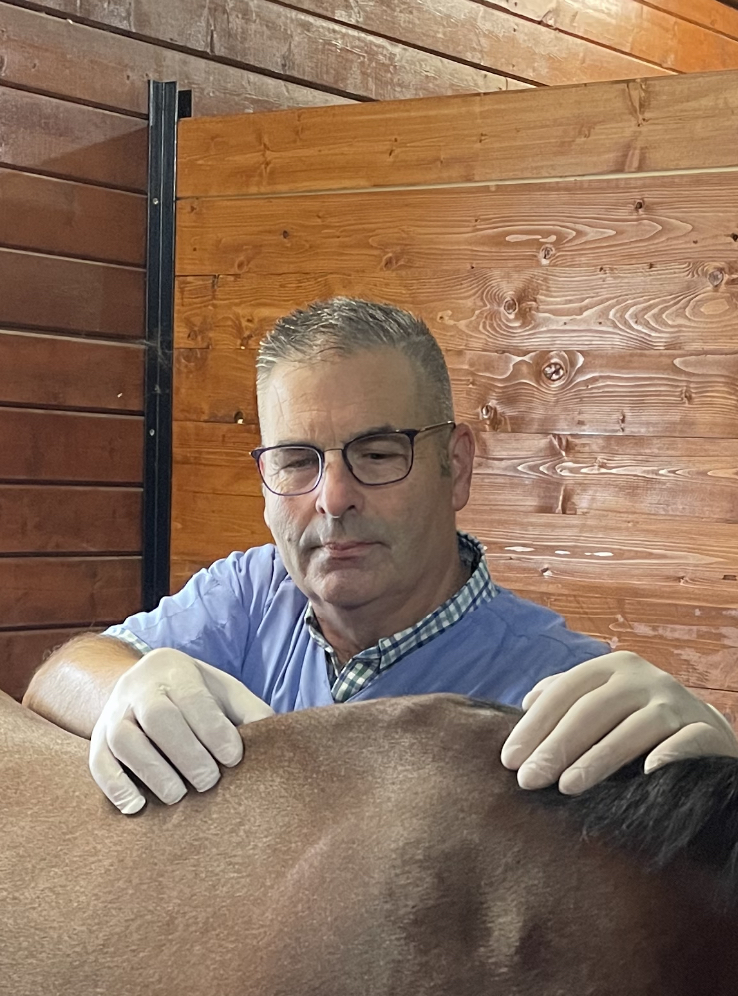
Dr. Thaler performing a physical examination on a horse inside a stable, demonstrating expert equine care at Metamora Equine – Metamora Equine

Meet the Doctor

Dr. Roland Thaler, VMD, DACVSMR, Cert. ISELP, earned his veterinary degree from the University of Pennsylvania School of Veterinary Medicine, one of the most respected veterinary programs in the world. He went on to become one of a very small number of equine veterinarians globally to hold dual credentialing in both the International Society of Equine Locomotor Pathology (ISELP) and the American College of Veterinary Sports Medicine and Rehabilitation (ACVSMR).

He also holds certification as an Animal Chiropractor through the College of Animal Chiropractors. A former Assistant Adjunct Professor at Michigan State University College of Veterinary Medicine, Dr. Thaler has lectured at national conferences on forelimb and hind-end lameness, equine foot injuries, and biomechanics. Clients and colleagues alike describe him as a thought leader in equine sports medicine, someone who approaches every case with the same rigor and curiosity that has defined his 40-year career.

Meet The Team

Credentials & Clinical Leadership

40+ years of experience. National reputation. Proven clinical and business leadership.

Request Appointment

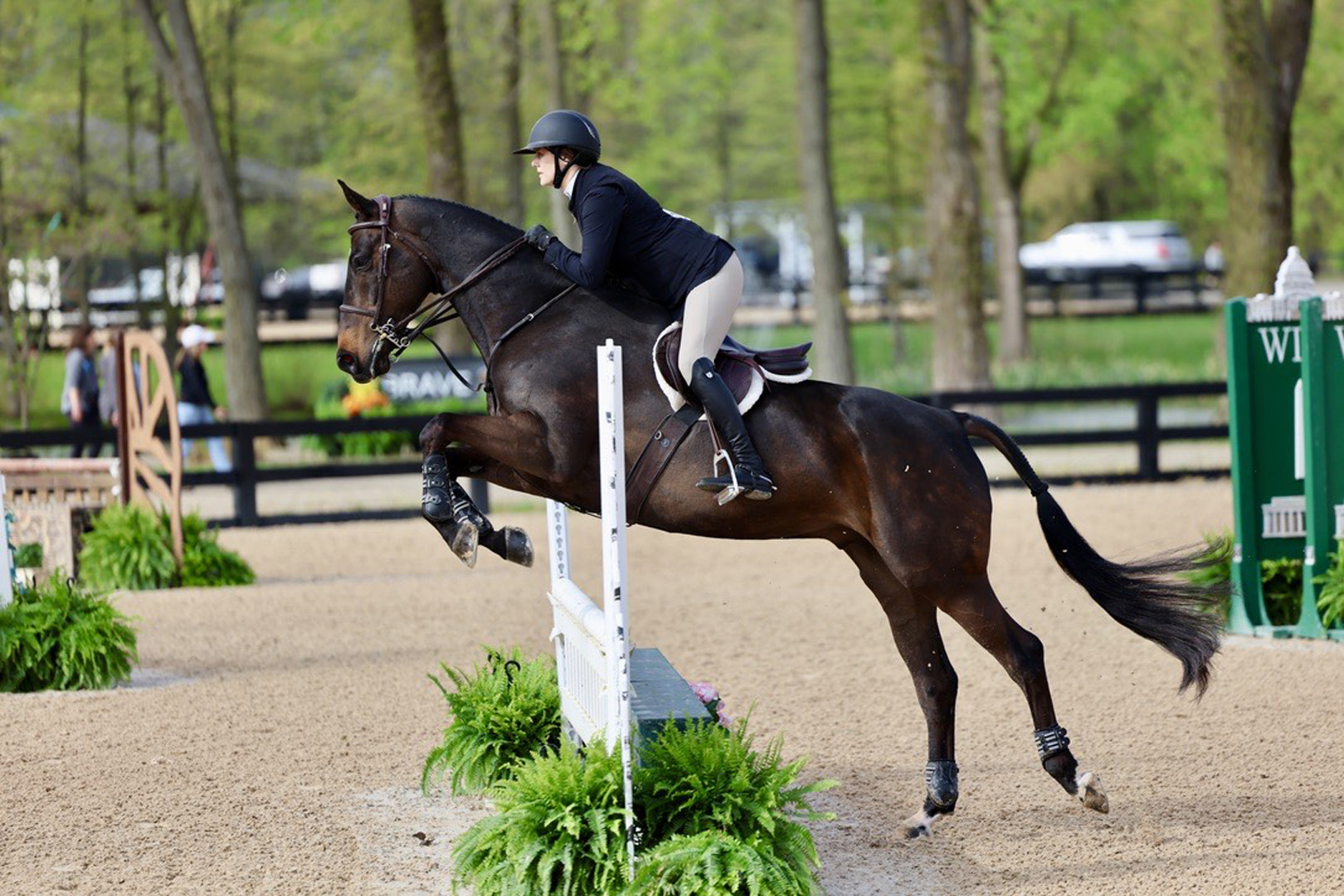
Equestrian rider guiding a horse over a jump during a competition, showcasing performance and training supported by Metamora Equine – Metamora Equine

Our Community Talks

Metamora Equine

Your Horse’s Best Season Starts With Metamora Equine!

Your horse works hard for you, and they deserve care that works just as hard in return. We bring elite-level sports medicine directly to your barn, combining Dr. Roland Thaler’s four decades of experience with the most advanced field diagnostics available. Contact Metamora Equine today at 248.310.5568 to schedule a performance evaluation or lameness workup, and follow along for clinical insights, case updates, and sports medicine education from our practice on Facebook!

Request Appointment

FAQs

What are your hours of operation?

Mon - Fri:
-
Saturdays: By appointment, often mornings

Where is Metamora Equine located, and what areas do you serve?

Metamora Equine is based in Davisburg, Michigan, and provides ambulatory care throughout the Northwest and Northeast Detroit suburbs, Columbus and Wilmington, Ohio, Monroe, North Carolina, and major equestrian venues nationwide.

Do you have a physical clinic location?

No. We are a 100% ambulatory practice, meaning we deliver advanced equine sports medicine directly at your barn, training facility, or competition venue.

What types of horses does the practice typically work with?

Metamora Equine primarily serves competition horses, including show horses, performance horses, and equine athletes competing at the regional and national level. Our practice has deep roots in the Michigan and Ohio show circuits and regularly serves top barns attending events at Traverse City and World Equestrian facilities. Most clients are serious competitors who expect a high standard of care and a veterinarian who understands the demands of sport horse life.

What makes your approach different from traditional equine practices?

Our focus is on identifying root causes, not masking symptoms. Dr. Thaler uses advanced diagnostics, data-driven evaluation, and cohesive case planning to reach clear answers and effective solutions as efficiently as possible.

Is this a clinic-based practice, or does Dr. Thaler come to the barn?

Metamora Equine is 100% ambulatory, meaning Dr. Thaler comes to you. There is no brick-and-mortar clinic to haul your horse to. Every evaluation, diagnostic workup, and treatment is performed on-site at your farm or show facility. This approach reduces stress on the horse, keeps the care environment familiar, and allows Dr. Thaler to observe the horse in its actual performance context, which is often clinically valuable.

What geographic areas does the practice serve?

Our practice is based in Davisburg, Michigan, and serves clients across Michigan and Ohio, as well as North Carolina. Dr. Thaler is licensed in Michigan, Ohio, North Carolina, and Florida and travels regularly to horse shows and top barns throughout the Midwest. The practice is uniquely positioned between two major equestrian hubs, Traverse City, Michigan, and Wilmington, Ohio, making it a natural fit for competitive clients at some of the most prestigious show venues in the region.

How does the practice handle cases that require advanced imaging or specialist input?

When a case requires scintigraphy, MRI, CT, myelography, or other advanced imaging beyond what is possible in the field, Dr. Thaler coordinates referrals to Tier 1 equine medical centers and trusted specialty colleagues. He prepares each case thoroughly before referral, communicates directly with the receiving team, and integrates all findings back into a unified treatment plan. Clients do not lose continuity. Dr. Thaler remains involved and keeps the case moving forward.

What should I expect at a first appointment with Metamora Equine?

Your first appointment typically begins with a thorough history, where Dr. Thaler will ask detailed questions about your horse’s discipline, training schedule, performance concerns, and environment. From there, he conducts a hands-on physical and musculoskeletal evaluation, often incorporating gait analysis and diagnostic anesthesia to precisely localize any areas of discomfort. You will leave with a clear picture of your horse’s current status and a concrete plan for next steps, with no vague findings and no unnecessary delays.

When should I consider a sports medicine evaluation for my horse?

Any time your horse shows subtle changes in performance, comfort, attitude, or movement, even if no obvious lameness is present, sports medicine evaluation can uncover underlying issues before they become major problems.